
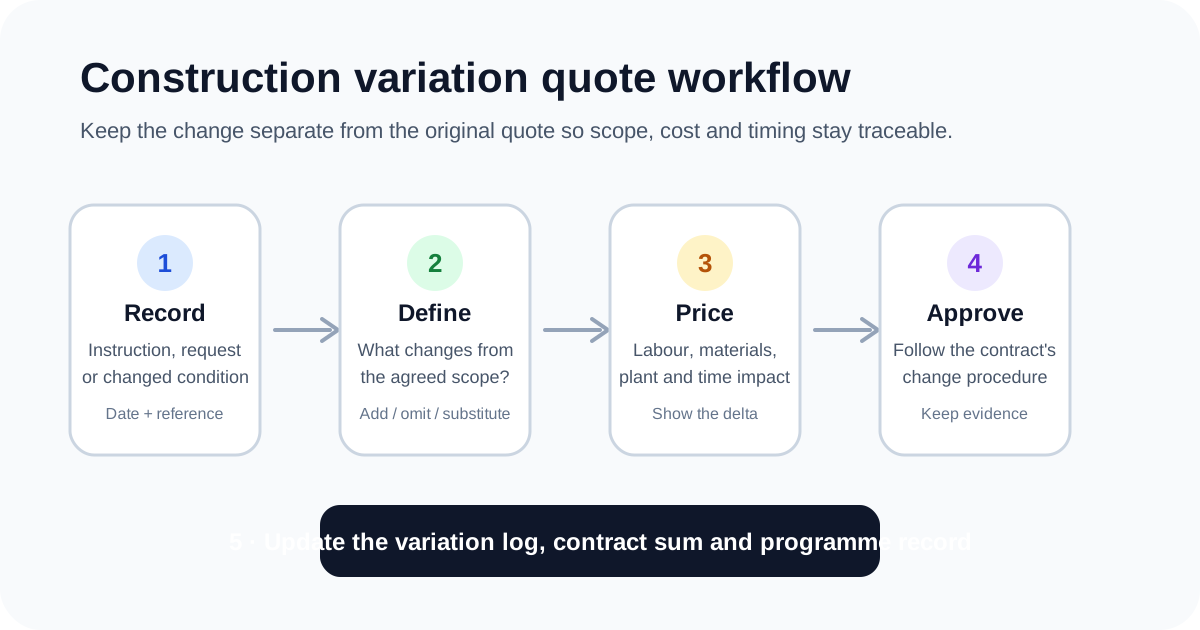
Start by defining what actually changed
In construction, a variation is generally a change to the scope or requirements of the work. It may add work, omit work, substitute one solution for another, or alter how part of the project must be carried out. The exact contractual definition and procedure depend on the agreement being used, so the contract remains the authority for whether a change is valid and how it should be instructed or valued.
Commercially, the first job is simpler: identify the difference between the agreed baseline and the new instruction. If you cannot describe that delta clearly, it is difficult to price it consistently or explain it later.
- Reference the original quote, drawing, specification or scope item.
- Record who requested or instructed the change and when.
- Describe exactly what is being added, omitted or substituted.
- Note any assumptions that are still unresolved.
Price the difference, not the whole job again
A variation quotation should normally isolate the commercial effect of the change. Start with the direct cost difference between the original scope and the revised scope. That keeps the original project economics visible and makes the variation easier to audit.
Build the change from the same estimating logic used for the original work: labour, materials, subcontractors, plant, delivery, supervision and other project-specific costs. Where original work is being removed, show that omission separately rather than hiding it inside a single net figure.
Show the time impact alongside the price
A scope change can affect more than cost. It may require a new design decision, revised procurement, additional mobilisation, a different work sequence or extra site time. If the variation changes the expected programme, record that impact in the same document as the price rather than leaving it as a separate verbal warning.
- Additional labour or working days.
- Lead time for revised or replacement materials.
- Knock-on effects on dependent trades or activities.
- Access, remobilisation or temporary-work changes.
- Any programme impact that still needs confirmation.
Follow the contract's approval procedure before relying on the change
Standard construction contracts use different terminology and change procedures. Some changes are formally instructed; some require quotations or supporting records; some have specific rules for valuation and programme consequences. Do not assume a signed email, site conversation or generic variation form overrides the procedure in the actual contract.
From an estimating and administration perspective, the safest habit is to keep a clear written record showing the instruction, the priced response, any qualifications and the approval status before the varied work becomes mixed into the original scope. Where urgent work has to proceed first, record the reason and follow the contract's notice requirements rather than inventing a process afterwards.
Keep a variation log rather than a folder of disconnected PDFs
Individual variation quotations are easier to control when they sit inside one project register. Give each change a reference and track its status: requested, priced, queried, approved, rejected or superseded. The log should make it possible to answer the current commercial position without opening every attachment in the job folder.
- Variation reference and date.
- Short scope description.
- Quoted value and any time impact.
- Approval or instruction reference.
- Current status and latest revision.
Review variations separately when the job is complete
At job-cost review, compare original-scope performance and variation performance separately. This helps distinguish an estimating miss in the base job from genuinely changed work. It also shows whether small extras are consuming disproportionate administration time or whether particular types of variation repeatedly damage productivity.
The objective is not to turn every change into paperwork for its own sake. It is to preserve the link between scope, price, timing and approval so the project can change without losing the commercial logic of the original quote.